Cities Collapse: Unraveling Urban Chaos and Survival Strategies
Imagine waking up one day to find your city in chaos—power out, stores empty, streets unsafe. Cities collapse more often than you think, and when they do, your survival depends on how prepared you are.
You might feel safe now, but are you ready if everything falls apart? Understanding the risks and knowing what to do can make all the difference between panic and control. That’s where the right guidance comes in. You need a plan, a code to follow when the unexpected strikes. The Urban Survival Code offers exactly that—a clear, easy-to-follow survival system designed to keep you and your loved ones safe when cities collapse. Keep reading to discover how you can take control before disaster hits.
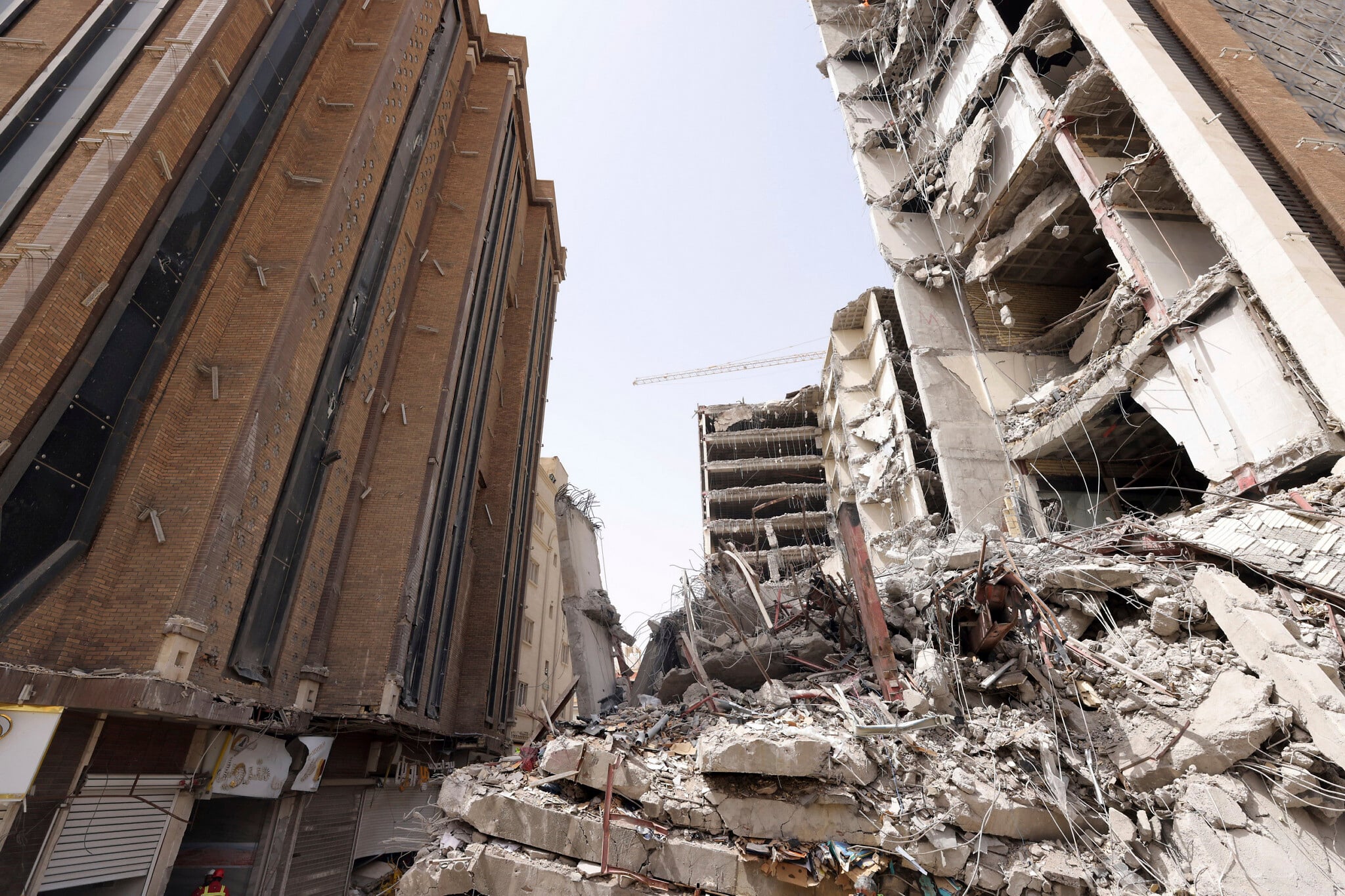
Credit: www.timesofisrael.com
Introduction To Urban Collapse And Its Significance
Urban collapse refers to the rapid breakdown of a city's social, economic, and physical systems. This breakdown disrupts daily life, making cities unsafe and difficult to live in. Understanding urban collapse is vital because most of the world's population now lives in cities. The risks that lead to a city's failure affect millions of people and the global economy.
Studying urban collapse helps us prepare for future challenges. It reveals how cities can fail and what signs to watch for. This knowledge supports better planning and survival strategies, especially in uncertain times.
Defining Urban Collapse: Causes And Consequences
Urban collapse happens when multiple systems in a city fail at once. Causes often include:
- Economic decline and loss of jobs
- Political instability or corruption
- Natural disasters like floods or earthquakes
- Resource shortages, such as water or food
- Social unrest and crime increase
The consequences are severe and widespread:
- Mass migration as people flee unsafe conditions
- Breakdown of infrastructure like roads and utilities
- Collapse of public services such as healthcare and police
- Decline in property values and investment
- Long-term damage to the city’s reputation and economy
Why Understanding City Failures Matters For Modern Society
Modern cities depend on complex systems working well together. A failure in one area can quickly spread and cause total collapse. Awareness of these risks helps governments and citizens:
- Spot early warning signs of urban failure
- Develop strong emergency response plans
- Build resilient infrastructure to withstand shocks
- Promote social cohesion and reduce crime
- Ensure sustainable use of resources
Urban Survival Code offers practical guidance for individuals to prepare for such events. It teaches survival skills to navigate city breakdowns safely and effectively.
Key Factors Driving Cities Toward Collapse
Cities face many threats that push them toward collapse. These challenges cut across economics, infrastructure, social order, and the environment.
The combination of these factors creates a fragile urban system. Once one area fails, others quickly follow. Understanding these key forces helps reveal why some cities decline rapidly.
Economic Instability And Resource Depletion
Economic instability weakens a city's ability to sustain itself. Job losses, shrinking industries, and poor financial management reduce public services.
Resource depletion worsens the problem. Cities rely heavily on water, energy, and raw materials. Overuse leads to shortages that increase costs and fuel unrest.
- Declining tax revenues limit city budgets.
- Businesses close or relocate, reducing employment.
- Essential resources become scarce or expensive.
This cycle shrinks economic opportunities and pushes residents away.
Infrastructure Breakdown And Urban Decay
Infrastructure is the backbone of any city. Roads, bridges, water systems, and power grids must function well.
Neglect and underfunding cause rapid deterioration. Broken infrastructure disrupts daily life and business operations.
| Infrastructure Element | Impact of Breakdown |
|---|---|
| Water Supply | Health risks, reduced sanitation |
| Electricity | Business closures, safety hazards |
| Transportation | Reduced mobility, increased isolation |
Urban decay follows. Abandoned buildings and unsafe neighborhoods repel investment and residents.
Social Fragmentation And Rising Crime
Social cohesion breaks down as inequality grows. Poverty and unemployment rise. Trust among residents fades.
Crime rates increase in unstable cities. Violence and theft harm public safety and deter businesses.
- Gangs and organized crime gain influence.
- Community services struggle to maintain order.
- Fear drives people to leave or isolate themselves.
This social fragmentation deepens the city's decline.
Environmental Challenges And Climate Impact
Environmental threats add pressure on cities. Floods, heatwaves, and storms damage infrastructure and homes.
Climate change intensifies these risks. Rising sea levels and extreme weather events become more common.
- Pollution degrades air and water quality.
- Green spaces shrink, reducing quality of life.
- Disaster recovery drains city resources.
These challenges make survival harder and slow recovery efforts.
Unique Survival Strategies In Urban Chaos
Urban collapse creates intense challenges for city dwellers. Survival depends on smart strategies that help people adapt quickly. These approaches focus on social bonds, infrastructure, preparation, and technology. Each plays a vital role in making cities livable again amid chaos.
Community Resilience: Building Social Cohesion
Strong communities become lifelines during urban crises. People sharing resources and skills improve chances of survival. Social cohesion reduces fear and isolation.
- Neighborhood networks: Groups organize to share food and water.
- Mutual aid: Help with medical care and security.
- Communication: Regular check-ins keep everyone informed and safe.
Community resilience also boosts mental strength. Trust and cooperation create a safer environment.
Adaptive Infrastructure: Innovating For Sustainability
Urban survival relies on flexible infrastructure. Systems must endure shocks and support basic needs.
| Infrastructure Type | Survival Role | Example |
|---|---|---|
| Water Systems | Provide clean drinking water | Rainwater collection and purification units |
| Energy Sources | Supply power without the grid | Solar panels and small wind turbines |
| Waste Management | Prevent disease and pollution | Composting toilets and recycling programs |
Innovations focus on sustainability and self-reliance. This reduces dependence on fragile city systems.
Emergency Preparedness And Crisis Management
Planning ahead saves lives in urban disasters. Crisis management organizes resources and responses.
- Risk assessment: Identify local hazards and vulnerabilities.
- Emergency kits: Stock food, water, and first aid supplies.
- Evacuation plans: Clear routes and safe zones mapped out.
- Training: Teach survival skills and medical basics to residents.
Preparedness builds confidence and reduces chaos during emergencies.
Technology’s Role In Urban Survival
Technology supports survival in many ways. It aids communication, resource management, and security.
- Mobile apps: Share real-time updates and alerts.
- Renewable energy: Power devices and tools off-grid.
- Water purification gadgets: Make safe drinking water anywhere.
- Surveillance tech: Monitor for threats and protect communities.
Technology bridges gaps and enhances traditional survival methods.

Credit: www.theatlantic.com
Economic Considerations And Affordability Of Urban Recovery
Recovering a city after collapse demands careful attention to economic factors. Urban recovery needs funds, resources, and smart planning. Affordability plays a key role in deciding which projects move forward. Balancing costs and benefits ensures the city rebuilds stronger and wiser.
Funding Challenges For Urban Renewal Projects
Securing money for urban renewal is often difficult. Cities face limited budgets and high demands. Public funds compete with healthcare, education, and safety needs. Private investment may hesitate due to risks and uncertain returns.
- Government grants can provide vital support but are often limited.
- Loans and bonds add debt, increasing long-term costs.
- Public-private partnerships may share costs and risks.
- Community crowdfunding engages residents but may raise small amounts.
Effective funding plans combine multiple sources. Transparency and accountability build trust among investors and the public.
Cost-benefit Analysis Of Different Recovery Approaches
Choosing the best recovery method requires weighing costs against benefits. Some approaches are cheaper but slower. Others demand more money but yield faster results. Each city must consider its unique needs and resources.
| Recovery Approach | Estimated Cost | Time to Recover | Key Benefits | Potential Drawbacks |
|---|---|---|---|---|
| Basic Infrastructure Repair | Low | Long | Restores essential services | Slow economic growth |
| Comprehensive Urban Renewal | High | Short | Boosts economy, modernizes city | High upfront costs |
| Community-Led Small Projects | Medium | Medium | Empowers residents, flexible | Limited scale |
Decision-makers should focus on sustainable solutions that match budget limits. Prioritizing essential services helps maintain livability during recovery.
Pros And Cons Of Current Urban Survival Models
Urban survival models vary greatly in their approach and effectiveness. Understanding their strengths and weaknesses helps cities prepare better for crises. These models mainly fall into two groups: community-led initiatives and government-led strategies. Each has a unique role in enhancing urban resilience.
Strengths Of Grassroots And Community-led Initiatives
Community efforts focus on local knowledge and quick response. They often build strong trust among residents. These initiatives:
- Promote self-reliance and resource sharing
- Adapt quickly to changing local needs
- Encourage volunteer participation and social bonds
- Use simple, cost-effective solutions
- Empower people with practical skills for emergencies
Because these groups operate on a small scale, they can act faster than large agencies. Their close connection to the community helps in identifying specific vulnerabilities and strengths.
Limitations Of Government And Top-down Strategies
Government plans often cover wide areas but face several challenges. These include:
- Slow decision-making due to bureaucracy
- High costs and complex logistics
- Difficulty in addressing unique local problems
- Limited community involvement and trust
- Over-reliance on technology and infrastructure
While governments have resources and authority, their plans can lack flexibility. Centralized control sometimes delays action during fast-moving crises. Also, they may overlook the power of local knowledge and networks.
| Aspect | Community-Led Initiatives | Government Strategies |
|---|---|---|
| Response Speed | Fast and flexible | Slow, bureaucratic |
| Cost | Low-cost, resourceful | High-cost, complex |
| Local Adaptation | Highly adapted | Often generic |
| Community Trust | Strong | Variable |
| Resources | Limited but creative | Extensive but rigid |
Recommendations For Stakeholders And Urban Planners
Urban collapse poses severe risks to cities worldwide. Stakeholders and urban planners must adopt smart, flexible approaches. Their focus should be on creating resilient, adaptable cities that serve all residents. Planning must consider social, economic, and environmental factors. Below are key strategies to guide effective urban resilience planning.
Tailoring Strategies To Specific Urban Contexts
Every city has unique challenges and strengths. Strategies must match each city's specific needs and conditions. Planners should:
- Analyze local risks such as natural disasters or economic downturns.
- Understand community demographics and cultural factors.
- Use data-driven tools to assess vulnerabilities and resources.
- Design flexible plans that adapt over time.
For example, coastal cities need flood defenses, while industrial towns may focus on economic diversification.
Promoting Inclusive And Sustainable Urban Policies
Inclusive policies ensure all city residents benefit from development. Sustainability protects resources for future generations. Key actions include:
- Engaging diverse communities in decision-making.
- Implementing affordable housing to reduce inequality.
- Prioritizing green spaces and clean energy solutions.
- Supporting local economies through small businesses.
These policies build social cohesion and reduce urban stress factors.
Leveraging Public-private Partnerships For Resilience
Collaboration between government and private sector boosts urban resilience. Benefits include shared resources and innovation. Best practices:
| Partnership Aspect | Key Benefit | Example |
|---|---|---|
| Infrastructure Investment | Improved city services and facilities | Private funding for public transit upgrades |
| Technology and Innovation | Smart city solutions and data analytics | Tech firms providing urban monitoring tools |
| Disaster Preparedness | Faster response and recovery | Joint emergency drills and resource sharing |
Strong partnerships help cities face collapse risks effectively.
Conclusion: Preparing For And Preventing Future Urban Collapses
Urban collapses bring chaos and hardship. Preparing for these events saves lives and protects communities. Prevention requires planning, knowledge, and strong systems. Cities must learn from past failures and build resilience. The focus is on survival and rebuilding quickly.
Key Takeaways On Urban Chaos And Survival
- Urban collapses disrupt services, cause shortages, and spark violence.
- Understanding risks helps individuals and cities act faster and smarter.
- Preparedness includes food, water, security, and communication plans.
- Community cooperation improves chances of survival during chaos.
- Urban Survival Code offers practical strategies for surviving city breakdowns.
| Survival Element | Key Actions |
|---|---|
| Food & Water | Stockpile essentials, learn purification methods |
| Security | Plan safe zones, establish trust networks |
| Communication | Use radios, prearranged signals |
| Health | First aid skills, maintain hygiene |
The Path Forward For Resilient Cities
Cities must build systems that absorb shocks and adapt. Resilience means strong infrastructure and flexible governance.
- Risk Assessment: Identify vulnerabilities in infrastructure and services.
- Community Training: Educate citizens on survival skills and teamwork.
- Emergency Plans: Create clear, practiced response strategies.
- Resource Management: Secure supplies and backup systems.
- Technology Use: Implement early warning and communication tools.
Urban Survival Code emphasizes these points with easy-to-follow guides. Practical knowledge empowers people to act confidently. Preparing today limits damage tomorrow.

Credit: www.kcur.org
Frequently Asked Questions
What Causes Cities To Collapse Historically?
Cities collapse due to economic decline, resource depletion, social unrest, or environmental disasters. Poor management and war also contribute to urban failure. These factors disrupt infrastructure, reduce population, and weaken governance, leading to city collapse over time.
How Does Economic Collapse Affect Cities?
Economic collapse reduces jobs, income, and services in cities. It causes businesses to close and residents to leave. This decline weakens city infrastructure and public safety, triggering a downward spiral that can lead to full urban collapse.
Can Environmental Factors Lead To City Collapse?
Yes, environmental factors like floods, earthquakes, and droughts can devastate cities. They damage infrastructure, displace people, and strain resources. If recovery is slow or inadequate, these events may cause long-term city decline or collapse.
Are Social Conflicts A Major Reason For City Collapse?
Social conflicts, including riots and civil wars, can destabilize cities. They disrupt governance, reduce safety, and damage infrastructure. Persistent social unrest undermines urban stability and can contribute significantly to a city’s collapse.
Conclusion
Cities face many risks that can lead to sudden collapse. Planning and preparation help people survive these crises. Knowing survival skills makes a big difference in tough times. The Urban Survival Code offers practical steps to stay safe in emergencies. It teaches essential tips for urban survival anyone can learn. Explore how to protect yourself and your family today. Discover more about the Urban Survival Code and be ready for the unexpected. Stay informed. Stay prepared. Stay safe.


Comments
Post a Comment